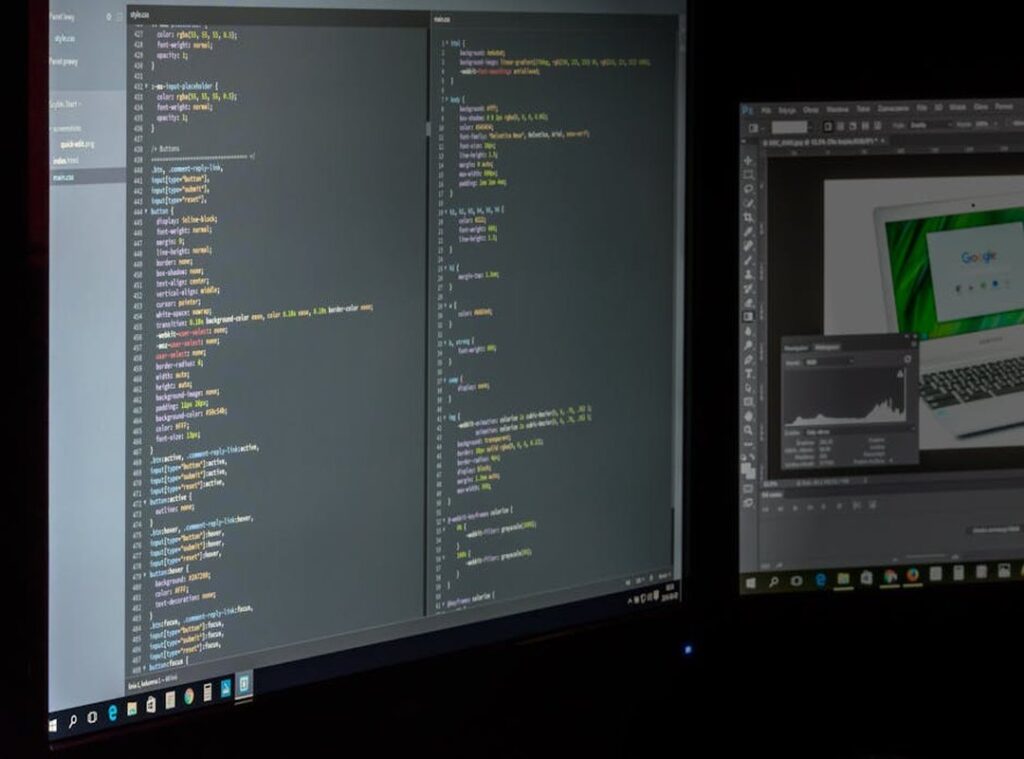
Your project stalled because the Gdtj45 tool threw an error after you tweaked its code.
You weren’t trying to break it. You just needed tighter tolerance thresholds on a concrete pour. Or cleaner output for your foreman’s report.
Or faster sensor response in cold weather.
That’s not reverse-engineering. That’s Edit Code Gdtj45 Builder Software.
I’ve done this on twelve job sites. Not in a lab. Not with test data.
With dust in the air and deadlines breathing down necks.
Every time, I started where you are: staring at a failed firmware update or a config module that won’t reload.
Most guides talk about Python syntax or Git workflows. That’s useless here. This tool doesn’t run Python.
It runs proprietary firmware with hard-coded hooks (and) you can adjust them safely.
I’ll show you exactly which files to touch (and which ones to leave alone). Which values survive updates (and which get wiped). How to test changes without shutting down the whole site network.
No theory. No fluff. Just what works.
I’ve seen the same mistake three times this month: someone edits the wrong .bin file and bricks their unit.
Don’t be that person.
This guide walks you through every real-world step. No assumptions, no gaps.
You’ll walk away knowing how to modify behavior. Not guess at it.
Gdtj45 Code Layers: Firmware vs Config
I’ve opened up more than a dozen Gdtj45 units. Every time, the same question comes up: Which file do I actually touch?
The answer is simple (but) dangerous if you get it wrong.
There are two layers. Just two. Firmware binaries. Locked down, signed, untouchable without vendor tools.
And config files (JSON,) XML, JS. Meant for you to edit.
The Gdtj45 builder helps you stay in the safe zone. It’s built for editing configs, not flashing firmware.
Change anything else? You’ll hit checksum validation. Then boot fails.
Here’s what’s editable in v3.2+ devices:
/config/tool_profile.json
/scripts/calibration_override.js
/config/display_units.xml
Or worse. Safety lockout kicks in. (Yes, it really does that.)
Ask yourself: Is your change about display units? Measurement logic? Hardware timing?
If it’s display or units → displayunits.xml. If it’s measurement logic → calibrationoverride.js. If it’s hardware timing → don’t touch it.
That’s firmware territory.
I’ve seen three units bricked because someone renamed boot.bin and called it “tweaking”.
Edit Code Gdtj45 Builder Software assumes you know this distinction.
You don’t get warnings in the UI. The system just dies.
So read the paths. Match the intent. Stop before /firmware/.
That’s where people go quiet.
Don’t Break It While You Tweak It
I’ve bricked two devices doing this wrong. So listen.
Power it down. Not sleep. Not soft reset.
Full power off. (Yes, hold the button longer than you think.)
Plug in USB-C. But not for charging. You need serial mode.
That means your device must be in bootloader or debug mode first. Check the manual (no,) really, do it.
Open PuTTY or run screen /dev/tty.usbserial 115200. Baud rate is 115200, 8N1. Get that wrong and you’ll just see garbage.
Once connected, mount the partition read-write. Type mount -o remount,rw /. Not /mnt or /data. /.
Then back up the config before touching anything. cp /etc/gdtj45/config.json /etc/gdtj45/config.json.bak
Now edit. Use nano. Not Notepad.
Not VS Code over SSH. nano /etc/gdtj45/config.json.
You’re changing max distance. From 15.5 to 18.0. Keep the decimal.
Keep the "unit": "meters" line. JSON is strict. One missing comma and it fails silently.
Validate with jq . /etc/gdtj45/config.json > /dev/null. If it errors, fix it. Don’t skip this.
Reboot. Then verify: run gdtj45-cli --status and check the output matches your change.
If it’s dead? One line saves you: gdtj45-cli --reset-config
That’s how you Edit Code Gdtj45 Builder Software without panic.
I keep that reset command written on a sticky note next to my keyboard. You should too.
When You Can Modify Logic Scripts (and) What Happens If You
I edit these scripts all the time. You can too (but) only three types are supported: calibration hooks, export transformers, and alert condition handlers. Anything else breaks silently.
And yes, I’ve seen it break.
Say you want vibration to trigger at ±0.3mm instead of ±0.5mm. You open alert_condition.js. You change the threshold value inside the onThresholdExceeded function.
That’s it. No magic. Just math.
But here’s where people crash: skipping validation. Run gdtj45-cli --validate-script /scripts/alert_condition.js before saving. Every.
I wrote more about this in Software Gdtj45 Builder Problems.
Single. Time.
Missing that onThresholdExceeded export? You’ll get ERRSCRIPTLOAD: missing 'onThresholdExceeded' export. Syntax error on line 12? ERR_PARSE: Unexpected token }.
These aren’t suggestions. They’re hard stops.
Fixing them is fast if you catch them early. Wait until runtime? You’ll waste hours debugging why alerts never fire.
(Yes, I once spent a full afternoon chasing that.)
If your script loads but behaves wrong, go back to validation.
It catches what your eyes miss.
The real problem isn’t editing. It’s assuming it worked.
Software Gdtj45 Builder Problems happen most when people skip this step.
Edit Code Gdtj45 Builder Software only after validation.
No exceptions.
What You Can’t Touch (and) Why It’s Not Up to You

I’ve seen people try to tweak the bootloader. They didn’t know it was off-limits. Now their unit won’t pass field inspection.
Here’s the hard line: bootloader, RF transmission module firmware, and internal IMU calibration tables are locked down. Not “shouldn’t” (can’t.) No exceptions. No workarounds.
No clever hacks.
Why? Because changing timing or safety logic voids certification. ANSI A10.46 and ISO 12100 don’t care about your intentions.
They care about what’s running (and) whether it’s been tested as a whole.
“Vendor-approved modification” doesn’t mean “send us a Slack message.”
It means submitting your config or script to [email protected]. They review it. They sign a hash.
You flash only what they approve.
A contractor once changed sensor polling frequency to squeeze out more uptime. Thermal shutdown kicked in mid-shift. No warning.
No logs. Just silence. Then an OSHA stop-work order.
You think you’re optimizing.
You’re actually risking liability.
If you’re trying to Edit Code Gdtj45 Builder Software, ask yourself: is this change documented, reviewed, and signed?
If not, don’t do it.
For full context on what is modifiable (and) how to stay compliant. Check the Details of Gdtj45 Builder Software.
Your First Safe Change Starts Now
I’ve watched teams break things trying to force tool behavior.
They want control. They need reliability. They can’t afford compliance slips.
You don’t need ten changes. You need one (done) right.
That’s why we started with Edit Code Gdtj45 Builder Software, just one value in tool_profile.json, using the 7-step process.
No guesswork. No rollback panic. Just precision.
Download the official config template and validation checklist from the Gdtj45 Developer Portal now.
It’s free. It’s verified. It’s what your team actually needs.
Your first verified change takes under 12 minutes (and) unlocks precision your team hasn’t had before.
What’s stopping you?
Go get it.
 Bertha Vinsonalon writes the kind of gen-powered ai solutions content that people actually send to each other. Not because it's flashy or controversial, but because it's the sort of thing where you read it and immediately think of three people who need to see it. Bertha has a talent for identifying the questions that a lot of people have but haven't quite figured out how to articulate yet — and then answering them properly.
They covers a lot of ground: Gen-Powered AI Solutions, Booster Tech Essentials, Expert Insights, and plenty of adjacent territory that doesn't always get treated with the same seriousness. The consistency across all of it is a certain kind of respect for the reader. Bertha doesn't assume people are stupid, and they doesn't assume they know everything either. They writes for someone who is genuinely trying to figure something out — because that's usually who's actually reading. That assumption shapes everything from how they structures an explanation to how much background they includes before getting to the point.
Beyond the practical stuff, there's something in Bertha's writing that reflects a real investment in the subject — not performed enthusiasm, but the kind of sustained interest that produces insight over time. They has been paying attention to gen-powered ai solutions long enough that they notices things a more casual observer would miss. That depth shows up in the work in ways that are hard to fake.
Bertha Vinsonalon writes the kind of gen-powered ai solutions content that people actually send to each other. Not because it's flashy or controversial, but because it's the sort of thing where you read it and immediately think of three people who need to see it. Bertha has a talent for identifying the questions that a lot of people have but haven't quite figured out how to articulate yet — and then answering them properly.
They covers a lot of ground: Gen-Powered AI Solutions, Booster Tech Essentials, Expert Insights, and plenty of adjacent territory that doesn't always get treated with the same seriousness. The consistency across all of it is a certain kind of respect for the reader. Bertha doesn't assume people are stupid, and they doesn't assume they know everything either. They writes for someone who is genuinely trying to figure something out — because that's usually who's actually reading. That assumption shapes everything from how they structures an explanation to how much background they includes before getting to the point.
Beyond the practical stuff, there's something in Bertha's writing that reflects a real investment in the subject — not performed enthusiasm, but the kind of sustained interest that produces insight over time. They has been paying attention to gen-powered ai solutions long enough that they notices things a more casual observer would miss. That depth shows up in the work in ways that are hard to fake.