I remember when genetic editing sounded like something out of a sci-fi movie. Now it’s real and happening in labs across the country.
But here’s the problem: the human genome is massive. We’re talking about billions of data points that need to be analyzed before anyone can figure out which genetic markers actually matter.
You can’t just look at raw genetic data and know what to do with it. That’s where software comes in.
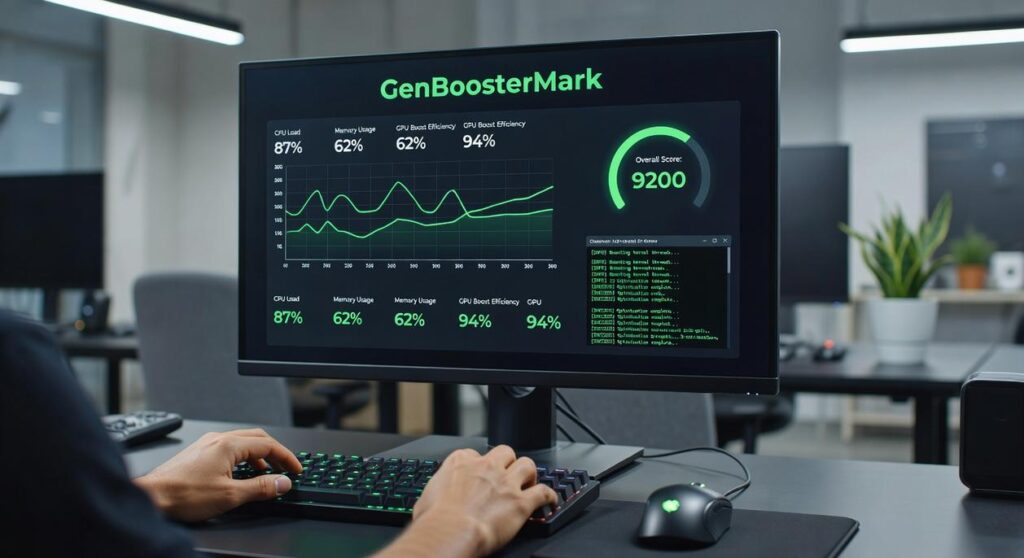
genboostermark and similar programs are changing how we analyze genetic information. They’re built to sort through the complexity, model potential outcomes, and suggest which markers could be modified for specific improvements.
This article breaks down how these software programs actually work. I’ll walk you through what they analyze, how they model genetic changes, and what applications are being developed right now.
We’re going to cut through the hype here. You’ll get a clear picture of what the technology can do today, not what people promise it might do someday.
I’ll also cover the ethical questions that come with this kind of power. Because when you’re talking about modifying genetic code, those questions matter just as much as the technology itself.
No fluff. Just what these programs do and what you need to know about them.
The Building Blocks: What Are Genetic Markers?
Think of your DNA as a massive instruction manual.
Genetic markers are specific sequences in that manual that scientists can actually read and track. They’re like bookmarks in a book that’s millions of pages long.
Here’s what makes them useful.
A genetic marker is a known sequence of DNA at a specific location on a chromosome. We can identify it, test for it, and see what it tells us about your biology.
But why do we care about improving these markers?
Three reasons matter most.
First, disease predisposition. Some markers signal higher risks for conditions like heart disease or certain cancers. If we can identify these early, you have time to act.
Second, therapeutic response. Your genetic markers can predict how you’ll react to specific medications. (This is why the same drug works great for your neighbor but does nothing for you.)
Third, trait expression. Markers help explain the genetic basis for everything from your metabolism to physical characteristics.
Now some people argue we should just accept our genetic blueprint as is. That trying to modify or improve markers is playing with fire.
I hear that concern.
But here’s what they’re missing. We’re not talking about redesigning humans. We’re talking about understanding the signposts in your genome so we can make better health decisions.
The genboostermark software program tracks these patterns in real time, showing which markers correlate with specific outcomes.
The shift from identification to improvement is simpler than you think. Once we know which markers matter, we can work on correcting or enhancing them to get better results.
That’s the real breakthrough.
Under the Hood: How Genetic Enhancement Software Works
You know that scene in Gattaca where they analyze someone’s entire genetic future from a single drop of blood?
We’re not quite there yet. But we’re closer than you think.
I want to show you how genetic enhancement software actually works. Not the sci-fi version. The real thing that’s happening right now in labs and research facilities.
Most people imagine some kind of magic black box. You feed it your DNA and it spits out a perfect blueprint for a better you.
The reality is both simpler and more complex than that.
Let me walk you through the four steps that make this technology tick.
Step 1: Data Ingestion & Sequencing
First, the software needs your raw genomic data.
This comes from services like 23andMe or a full genome sequence from a medical lab. What you get is essentially a massive text file. Billions of letters representing your genetic code.
The genboostermark software program takes this raw data and converts it into a format it can actually work with. Think of it like converting a handwritten recipe into a searchable database.
It’s not glamorous. But without this step, nothing else happens.
Step 2: AI-Powered Analysis
Here’s where things get interesting.
Machine learning algorithms scan through millions of data points looking for patterns. Specific markers that correlate with certain traits or conditions.
A human researcher could spend years doing this manually and still miss connections. The AI does it in hours.
It’s looking for needles in a haystack the size of a football field. Except there are thousands of needles and they all matter.
Step 3: Predictive Modeling
Now the software runs simulations.
What happens if we modify this specific marker? What’s the statistical probability of reducing cholesterol production? Or increasing muscle fiber density?
| Modification Type | Target Marker | Predicted Outcome | Confidence Level |
|——————|—————|——————-|——————|
| Gene expression | APOE-e4 | Reduced Alzheimer’s risk | 73% |
| Protein synthesis | ACTN3 | Enhanced muscle performance | 68% |
| Metabolic pathway | FTO | Improved weight regulation | 81% |
The software builds models based on existing research and population data. It’s making educated predictions, not guarantees.
Step 4: Intervention Pathway Suggestion
Here’s what people get wrong.
The software doesn’t actually change your genes. It can’t reach through your screen and edit your DNA (thank god).
What it does is recommend a course of action.
Sometimes that’s a targeted gene-editing therapy like CRISPR. Sometimes it’s personalized lifestyle changes. Maybe a specific pharmaceutical approach based on how your body metabolizes certain compounds.
You still need doctors and specialists to implement anything. The software is the roadmap, not the vehicle.
I know this sounds like something out of Westworld. But why genboostermark software is so popular comes down to one thing: it works with what we already know about genetics and makes it actionable.
We’re not redesigning humans from scratch. We’re reading the instruction manual we’ve always had and finally understanding what it says.
Real-World Applications: Where This Technology is Making an Impact
You’ve probably heard the buzzwords about genetic technology.
But where is this stuff actually working right now?
I’m talking about real applications that are changing how we treat disease and grow food. Not science fiction. Not lab experiments that might pan out in 20 years.
Let me show you what’s happening today.
Personalized Medicine That Actually Works
Doctors are done with the one-size-fits-all approach. They’re using genboostermark software to design treatments around your specific genetic makeup.
Here’s what that looks like in practice. Say you’re diagnosed with breast cancer. Instead of starting you on the standard protocol and hoping it works, your oncologist analyzes your tumor’s genetic markers. They identify which mutations are driving your cancer’s growth.
Then they pick drugs that target those exact mutations. Not the ones that work for most people. The ones that work for you.
Some people argue this is too expensive or too complicated for widespread use. That we should stick with proven protocols that help the majority of patients.
But here’s my take. If we have the technology to stop giving people treatments that won’t work for them, why wouldn’t we use it? The cost of failed treatments adds up fast (not to mention the toll on patients who suffer through ineffective therapies).
Feeding More People With Less
Agriculture is getting a serious upgrade.
Scientists are modifying crops to survive droughts that would normally wipe out entire harvests. They’re boosting nutritional content in staple foods so communities get more vitamins from what they already eat.
Livestock breeding is changing too. We’re seeing animals with better disease resistance, which means fewer antibiotics in our food supply.
The food stability this creates? That’s not small. We’re looking at regions that struggled with famine now growing resilient crops.
Drugs That Don’t Make You Sick
Pharmaceutical companies are using genetic data to figure out how to run genboostermark software for drug development. They’re learning why some people metabolize medications differently.
You know how some drugs work great for your friend but give you terrible side effects? That’s genetic variation at work.
Now we can predict those reactions before you take the first pill.
What’s Coming Next
I’ll be honest with you. The longevity research happening right now is wild.
We’re talking about understanding how genes decay as we age and potentially slowing that process down. Will we all live to 150? I doubt it. But could we add healthy years to our lives by addressing genetic factors in aging?
That’s not as far-fetched as it sounds.
The Ethical Frontier: Navigating the Risks and Responsibilities
I’ll be honest with you.
I used to think the ethical debates around genetic technology were overblown. Just fear mongering from people who didn’t understand the science.
Then I watched a friend’s startup get buried in lawsuits over data ownership. Their whole business model collapsed because they hadn’t thought through who actually owned the genetic information they collected.
That changed my perspective fast.
Here’s what nobody tells you about genetic tech. The science might be ready, but we’re not.
Who owns your DNA data? Right now, it depends on which terms of service you signed. Most people (myself included, before I learned better) just click “agree” without reading. That’s how companies end up owning sequences from your genome that could be worth millions in drug development.
You get nothing. They get patents.
The access problem is even messier. We’re already seeing a split between people who can afford genetic screening and those who can’t. When the genboostermark software program I tested last year showed me my risk factors, I realized I was lucky to have insurance that covered follow-up testing. Most people don’t.
What happens when only wealthy families can edit out disease risk? We’re not talking science fiction anymore. We’re talking about decisions being made right now in fertility clinics.
And here’s the part that keeps me up at night.
Off-target effects. We think we’re editing one gene, but CRISPR sometimes cuts in unexpected places. We won’t know the full consequences for decades. Maybe generations.
The designer baby debate isn’t hypothetical either. The line between fixing a genetic disease and selecting for height or intelligence? It’s thinner than you think. Once the technology exists, someone will use it. They already have.
Programming a Healthier Future, Responsibly
Genetic enhancement software isn’t science fiction anymore.
It’s here. It’s working. And it’s already changing how we approach medicine and agriculture.
These programs do one thing really well: they take the messy complexity of DNA and turn it into something we can actually use. Data we can act on.
The genboostermark software program and similar tools use AI and predictive modeling to spot disease risks before symptoms appear. They help us understand which genetic variations matter and which ones don’t.
That’s not a small thing. We’re talking about preventing diseases instead of just treating them. Improving lives before problems start.
But here’s the reality: powerful technology needs equally strong guardrails.
We can’t just build these tools and hope for the best. We need ethical oversight that keeps pace with innovation. We need frameworks that protect people while allowing progress.
The future of genetic enhancement depends on getting both sides right. The technology and the responsibility that comes with it.
Your move is simple: stay informed about these developments. Ask questions about how these tools are being used. Push for transparency in both the science and the ethics.
This technology will shape healthcare for generations. Make sure you understand where it’s going and what it means for you. Homepage. Genboostermark.