
I get it. Fuses can be a real pain, especially when you’re dealing with a Ford Cargo. You just want to know what’s what and get back on the road, right?
diagrama fusibles ford cargo is more than just a bunch of little pictures. It’s your key to figuring out which fuse controls what. And let’s be honest, who has time to sift through a confusing manual?
This guide is here to help. I’ve done the research and have hands-on experience. So, you can trust that the info here is clear and to the point.
No fluff, no nonsense.
Let’s dive in and make sure you can find and replace those fuses without breaking a sweat.
What is a Fuse Diagram?
A fuse diagram is a visual representation of the electrical system in a vehicle. It shows the location and function of each fuse. Understanding this diagram is crucial for maintaining and troubleshooting your Ford Cargo.
Why is it so important? Well, when something goes wrong with your vehicle’s electrical system, you need to know where to look. The fuse diagram helps you pinpoint the issue quickly, saving you time and money.
Key components in a fuse diagram include fuse boxes, relays, and circuits. Each plays a specific role in keeping your vehicle running smoothly.
Fuse boxes are like the brain of your car’s electrical system. They house all the fuses and protect your vehicle from electrical overloads. Relays act as switches, turning various electrical components on and off.
Circuits are the pathways that carry electricity throughout your vehicle.
Knowing how these elements work together can be a game-changer. For example, if your headlights stop working, you can check the diagrama fusibles ford cargo and find the right fuse to replace. No more guessing or spending hours at the mechanic.
In short, a fuse diagram is your go-to guide for keeping your Ford Cargo in top shape. It’s a simple tool that can save you a lot of headaches.
Locating the Fuse Boxes in Your Ford Cargo
Finding the fuse boxes in your Ford Cargo can be a bit tricky if you don’t know where to look. But don’t worry, I’ve got you covered.
Primary Fuse Box:
The main fuse box is usually under the dashboard on the driver’s side. If it’s not there, check the engine compartment. It’s typically a large, rectangular box with a cover.
Secondary Fuse Box:
Some Ford Cargos have an additional fuse box. This one is often found in the cargo area or under the hood. It’s smaller and might be labeled as “FUSE BOX” or something similar.
PRO TIP: Always check your owner’s manual for specific locations. It can save you a lot of time and frustration.
Visual Aids:
Using diagrams and images can make the job a lot easier. Look up diagrama fusibles ford cargo online. These visual aids will help you identify and access the fuse boxes without any guesswork.
Remember, if you’re not sure, it’s always a good idea to consult a professional. Better safe than sorry!
Understanding the Fuse Diagram Layout
Let’s get one thing straight: fuse diagrams can be a headache. But they don’t have to be. The diagrama fusibles ford cargo is a good example of what we’re talking about.
First, let’s break down the layout. You’ll see a bunch of little boxes or circles, each with a number. These numbers are like the addresses for your fuses.
Easy, right?
Now, onto the common fuses. Headlights, wipers, and power windows—these are the usual suspects. Each one has its own spot in the diagram.
If your headlights go out, you know exactly where to check.
Color coding is another key part. Different colors mean different things. Red might mean high amperage, while blue could be low.
It’s a quick way to tell which fuse is which without squinting at tiny numbers.
So, next time you’re staring at a fuse box, remember: it’s just a map. And now you know how to read it.
How to Read the Fuse Diagram
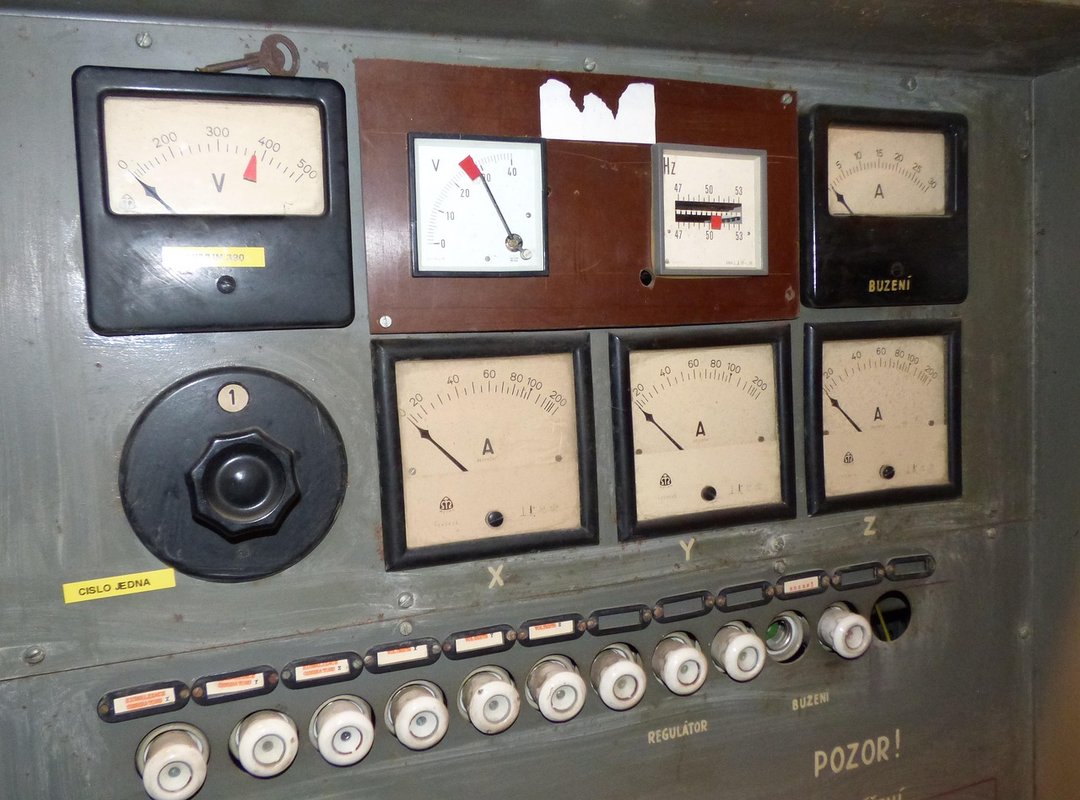
Reading a fuse diagram can seem daunting, but it’s actually pretty straightforward once you know what to look for. Let’s break it down step by step.
First, get your hands on the vehicle’s manual. It’s your best friend here. The manual will have a detailed section on the fuse diagram, which is like a map of all the fuses in your car.
Next, identify the specific fuse you need. Look at the diagrama fusibles ford cargo or whatever model you have. The diagram will show you where each fuse is located and what it controls. Genboostermark
Each fuse is labeled with a number and a description, like “Headlights” or “Radio.”
Now, let’s say you’re having an issue. Maybe your radio isn’t working. Check the diagram to find the fuse that controls the radio.
Once you locate it, you can inspect the fuse to see if it’s blown.
If the fuse looks damaged, replace it with a new one of the same amperage. Make sure to use the exact type specified in the manual. Mixing up fuses can cause serious problems.
Sometimes, the issue might not be the fuse itself. If you replace a fuse and the problem persists, it could be a wiring issue or a faulty component. In that case, you might need to take a closer look or consult a professional.
Remember, the fuse diagram is your key to understanding and fixing electrical issues in your car. Don’t be afraid to use it. It’s there to help you.
Replacing a Blown Fuse in Your Ford Cargo
Replacing a blown fuse in your Ford Cargo is a simple task, but it’s important to do it right. Tools Needed:
- A fuse puller
- A multimeter
Step-by-Step Instructions:
First, locate the fuse box. It’s usually under the dashboard or in the engine compartment. Check your owner’s manual if you’re not sure.
Turn off the ignition and all electrical components in your vehicle. This step is crucial for safety.
Use the fuse puller to remove the suspected blown fuse. If you don’t have a fuse puller, a pair of tweezers can work too.
Check the fuse with a multimeter to confirm it’s blown. A good fuse will show continuity, while a bad one won’t.
Replace the blown fuse with a new one of the same amperage. Using a different amperage can cause serious damage.
Safety Precautions:
Always make sure the vehicle is turned off before working on the electrical system. You don’t want any surprises.
Wear protective gloves and glasses. Electrical components can be sharp, and you never know what might spark.
Refer to the diagrama fusibles ford cargo for the exact location and amperage of each fuse. This diagram is your best friend when replacing fuses.
By following these steps, you can safely and effectively replace a blown fuse in your Ford Cargo.
Common Issues and Solutions
Fuses can be a real headache. Frequent blowouts and electrical malfunctions are more common than you might think.
- Frequent Blowouts: This is usually a sign of an overloaded circuit.
- Electrical Malfunctions: These can range from simple annoyances to serious safety issues.
To diagnose these problems, you need to get familiar with the diagrama fusibles ford cargo. It’s your go-to map for figuring out what’s going on.
First, identify the fuse that’s causing the issue. Then, check if it’s blown by removing it and inspecting it. If it’s damaged, replace it.
Simple as that.
But here’s the kicker: prevention is key. Regularly inspect your fuses and clean any dirt or corrosion. This can save you a lot of trouble down the line.
- Inspect Regularly: Make it a habit to check your fuses at least once a month.
- Clean Connections: Use a soft brush to remove any dust or debris.
- Replace Worn Fuses: Don’t wait for them to fail. Replace them if they look worn out.
By staying on top of these small tasks, you can keep your electrical system running smoothly. Trust me, it’s worth the effort.
Mastering the Ford Cargo Fuse Diagram
Understanding the diagrama fusibles ford cargo is crucial for maintaining and troubleshooting your vehicle. It helps you identify and fix electrical issues quickly, saving time and money.
The article covered key points such as locating the fuse box, identifying specific fuses, and replacing faulty ones. Each step was detailed to ensure clarity and ease of use.
Keep the diagrama fusibles ford cargo handy. Regular checks can prevent unexpected breakdowns and ensure the reliability of your Ford Cargo.
 There is a specific skill involved in explaining something clearly — one that is completely separate from actually knowing the subject. Nancy Colectricson has both. They has spent years working with innovation alerts in a hands-on capacity, and an equal amount of time figuring out how to translate that experience into writing that people with different backgrounds can actually absorb and use.
Nancy tends to approach complex subjects — Innovation Alerts, Marketing Automation Tactics, Expert Insights being good examples — by starting with what the reader already knows, then building outward from there rather than dropping them in the deep end. It sounds like a small thing. In practice it makes a significant difference in whether someone finishes the article or abandons it halfway through. They is also good at knowing when to stop — a surprisingly underrated skill. Some writers bury useful information under so many caveats and qualifications that the point disappears. Nancy knows where the point is and gets there without too many detours.
The practical effect of all this is that people who read Nancy's work tend to come away actually capable of doing something with it. Not just vaguely informed — actually capable. For a writer working in innovation alerts, that is probably the best possible outcome, and it's the standard Nancy holds they's own work to.
There is a specific skill involved in explaining something clearly — one that is completely separate from actually knowing the subject. Nancy Colectricson has both. They has spent years working with innovation alerts in a hands-on capacity, and an equal amount of time figuring out how to translate that experience into writing that people with different backgrounds can actually absorb and use.
Nancy tends to approach complex subjects — Innovation Alerts, Marketing Automation Tactics, Expert Insights being good examples — by starting with what the reader already knows, then building outward from there rather than dropping them in the deep end. It sounds like a small thing. In practice it makes a significant difference in whether someone finishes the article or abandons it halfway through. They is also good at knowing when to stop — a surprisingly underrated skill. Some writers bury useful information under so many caveats and qualifications that the point disappears. Nancy knows where the point is and gets there without too many detours.
The practical effect of all this is that people who read Nancy's work tend to come away actually capable of doing something with it. Not just vaguely informed — actually capable. For a writer working in innovation alerts, that is probably the best possible outcome, and it's the standard Nancy holds they's own work to.