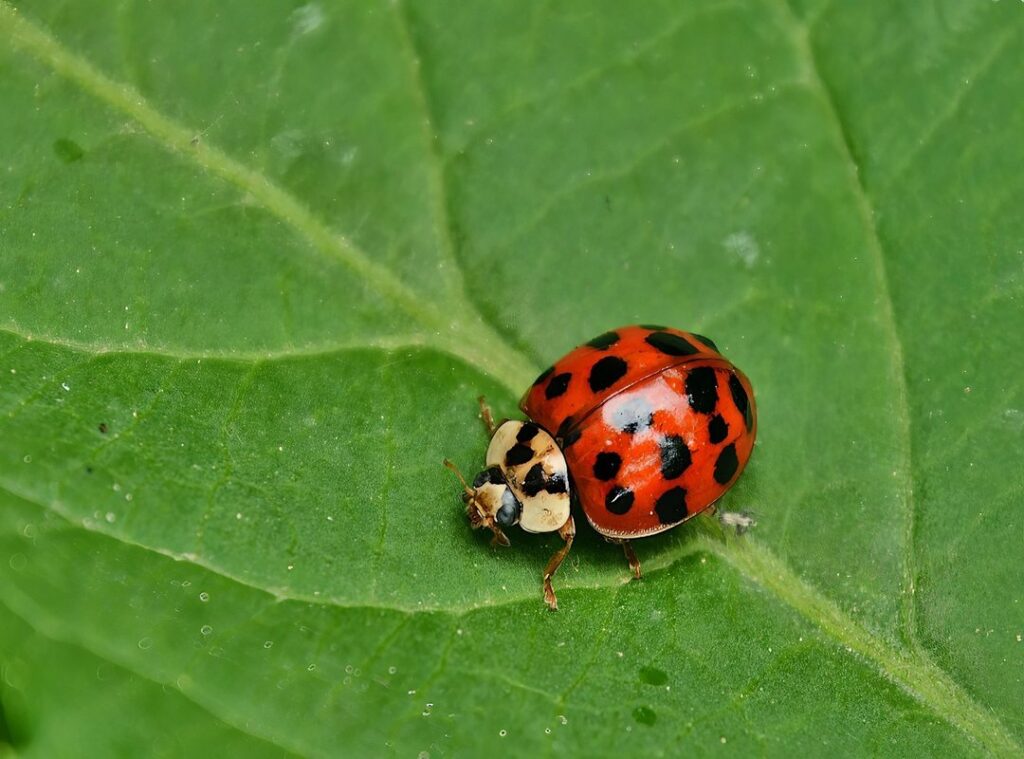
You’ve got a tiny green bug causing an itchy rash, and you’re not sure what to do. It’s frustrating, right? You just want to know what bit you and how to make the itching stop.
This article is here to help. We’ll figure out what that serangga hijau kecil gatal might be, give you quick steps to ease the itch, and show you how to keep it from happening again. No fluff, just straight-up solutions.
Most of these bites are harmless, but knowing what caused it is the first step to feeling better and getting some peace of mind. Let’s get started.
Identifying Common Small Green Insects That Bite or Irrigate
When you think of small, green, and itchy, a few common culprits come to mind. True biting insects are less common, but some can cause irritation.
Aphids, also known as greenflies, are one of the main suspects. They usually feed on plants but can bite humans defensively. If you get bitten, expect a small, sharp prick followed by an itchy red dot.
Leafhoppers are another quick-moving insect found on leaves and grass. Their bites are rare but can happen, leaving an irritating welt.
Thrips are minuscule, slender insects. Some are black or yellow, but greenish species exist too. Their bites, though tiny, are disproportionately itchy for their size.
To help you figure out what you’re dealing with:
– On a houseplant? Likely an aphid.
– In the lawn? Probably a leafhopper.
– Did it seem to fall from a tree?
Could be thrips.
The reaction is often an allergic response to the insect’s saliva, not venom like a bee sting.
Now, let’s speculate a bit. As urban gardens and indoor plants become more popular, we might see an increase in serangga hijau kecil gatal. More people growing their own plants means more potential hosts for these little pests.
So, keep an eye out, and maybe invest in some natural pest control methods.
Why Do These Tiny Bugs Cause Such an Intense Itch?
Have you ever been bitten by a tiny bug and felt like you were going to go crazy from the itch? I know I have. When an insect bites, it injects saliva into your skin.
This is where the trouble starts.
Your body’s immune system recognizes the proteins in the insect’s saliva as foreign invaders. It’s like your body is saying, “Hey, this doesn’t belong here!” So, it kicks into high gear.
The immune system releases histamines. Histamines increase blood flow to the area, causing redness, swelling, and that intense itching. It’s like your body is trying to flush out the invader, but all you feel is the urge to scratch.
Scratching only makes things worse. It further irritates the skin and triggers even more histamine release. You end up in a vicious itch-scratch cycle.
It’s so frustrating!
And let’s not forget, the intensity of the reaction varies from person to person. Some people might just get a mild itch, while others (like me) can’t stop scratching. It all depends on how sensitive you are to the specific insect’s saliva. serangga hijau kecil gatal
serangga hijau kecil gatal, for example, can cause a particularly intense reaction. It’s like they’re designed to drive us nuts. But knowing why it happens can help you resist the urge to scratch and maybe find some relief.
Immediate Relief: A Step-by-Step Guide to Treating Itchy Bug Bites

Itchy bug bites can be a real pain, literally. Here’s how to get some quick relief.
-
Clean the Area. Gently wash the bite with cool water and mild soap. This helps remove any lingering insect saliva and prevents secondary infection.
-
Reduce Swelling. Apply a cold compress or an ice pack wrapped in a thin towel to the area for 10-15 minutes. This numbs the nerves and constricts blood vessels, reducing both itching and swelling.
-
Apply Topical Creams. Over-the-counter options like 1% hydrocortisone cream can reduce inflammation. Calamine lotion is also great for soothing the skin.
If you prefer a home remedy, a paste of baking soda and water works well.
-
Don’t Scratch. I know it’s tempting, but scratching can break the skin, leading to infection and scarring. Try tapping the itch instead.
Sometimes, despite your best efforts, things can go south.
When to See a Doctor
If you notice signs of infection, like pus, warmth, or spreading redness, it’s time to see a doctor. Also, if you experience a severe allergic reaction—difficulty breathing, swelling of the lips or throat—seek medical help immediately.
Dealing with serangga hijau kecil gatal can be tricky. If you’re unsure about the type of bug or the severity of the bite, it’s always better to err on the side of caution and consult a professional.
Getting Rid of Them: How to Prevent Future Bites and Infestations
Prevention starts at the source, which is almost always nearby plants. You need to inspect your houseplants and garden foliage for signs of aphids, leafhoppers, or thrips. Look for sticky residue or yellowing leaves.
One thing I’ve noticed that others often miss is the serangga hijau kecil gatal. These tiny green bugs can be a real nuisance.
- Check your plants regularly.
- Use a magnifying glass if you need to.
For simple, non-toxic control methods, try spraying leaves with a solution of water and a few drops of dish soap. Commercial insecticidal soaps or neem oil work well too.
Wear long sleeves when gardening. It’s a small step but it can make a big difference. Shake out your clothes after spending time in heavily vegetated areas.
Check and repair any holes in window and door screens. This keeps insects from entering your home. A little maintenance goes a long way.
A Clear Plan for Dealing With Itchy Green Bugs
Quickly summarize the actionable steps the reader has learned: Identify the likely source, treat the bite immediately to stop the itch, and prevent future encounters by managing plants and your environment. Reassure the reader that they now have the knowledge to handle this common but annoying problem effectively.
You can now solve the mystery of the serangga hijau kecil gatal and get back to enjoying your home and garden, itch-free.
 There is a specific skill involved in explaining something clearly — one that is completely separate from actually knowing the subject. Nancy Colectricson has both. They has spent years working with innovation alerts in a hands-on capacity, and an equal amount of time figuring out how to translate that experience into writing that people with different backgrounds can actually absorb and use.
Nancy tends to approach complex subjects — Innovation Alerts, Marketing Automation Tactics, Expert Insights being good examples — by starting with what the reader already knows, then building outward from there rather than dropping them in the deep end. It sounds like a small thing. In practice it makes a significant difference in whether someone finishes the article or abandons it halfway through. They is also good at knowing when to stop — a surprisingly underrated skill. Some writers bury useful information under so many caveats and qualifications that the point disappears. Nancy knows where the point is and gets there without too many detours.
The practical effect of all this is that people who read Nancy's work tend to come away actually capable of doing something with it. Not just vaguely informed — actually capable. For a writer working in innovation alerts, that is probably the best possible outcome, and it's the standard Nancy holds they's own work to.
There is a specific skill involved in explaining something clearly — one that is completely separate from actually knowing the subject. Nancy Colectricson has both. They has spent years working with innovation alerts in a hands-on capacity, and an equal amount of time figuring out how to translate that experience into writing that people with different backgrounds can actually absorb and use.
Nancy tends to approach complex subjects — Innovation Alerts, Marketing Automation Tactics, Expert Insights being good examples — by starting with what the reader already knows, then building outward from there rather than dropping them in the deep end. It sounds like a small thing. In practice it makes a significant difference in whether someone finishes the article or abandons it halfway through. They is also good at knowing when to stop — a surprisingly underrated skill. Some writers bury useful information under so many caveats and qualifications that the point disappears. Nancy knows where the point is and gets there without too many detours.
The practical effect of all this is that people who read Nancy's work tend to come away actually capable of doing something with it. Not just vaguely informed — actually capable. For a writer working in innovation alerts, that is probably the best possible outcome, and it's the standard Nancy holds they's own work to.