When you hurt your hand, it’s hard to know if it’s just a sprain or something more serious. I’ve been there, and trust me, it’s not fun. You might be wondering, is my hand broken?
It’s a valid question.
A lot of people struggle with this, and it can lead to bigger problems if you don’t get the right help. So, let’s get straight to it. This article is here to help you figure out what’s going on with your hand.
I’m sharing expert advice and practical tips. No fluff, just the stuff you need to know. We’ll cover the signs and symptoms, and even show you some gambar toreh tangan broken to help you identify what’s wrong.
You don’t have to guess anymore. Let’s dive in and get you the info you need.
Anatomy of the Hand: Key Structures and Functions
Understanding your hand’s anatomy can help you take better care of it. It’s like knowing the blueprint of a building before you start fixing it.
The hand has 27 bones, including the metacarpals and phalanges. These bones give your hand its shape and structure. Joints connect these bones, allowing for movement.
Muscles and ligaments work together to make your hand move and stay stable.
gambar toreh tangan broken
Common areas for breaks are the metacarpals and phalanges. These bones are more exposed and can easily get injured. Knowing this can help you be more cautious and avoid injuries.
If you do get hurt, understanding the anatomy helps in explaining your symptoms to a doctor. It can also help in following recovery exercises and understanding why they’re important.
By knowing the key structures and functions, you can protect your hands better and recover faster if an injury happens.
Symptoms of a Broken Hand: What to Look For
Pain, and that’s the first thing you’ll notice. It can be sharp and intense, especially if you try to move your hand.
Swelling and bruising usually follow, and your hand might look puffy and discolored.
Deformity is another red flag. If your hand looks misshapen or out of place, it’s a clear sign something is wrong.
Functional impairment is a big deal. You might find it hard to move your hand or fingers. Simple tasks become a challenge.
Loss of grip strength is common. Picking up objects or even holding a cup can feel nearly impossible.
Numbness is also a symptom. If parts of your hand or fingers feel tingly or numb, it could indicate nerve damage.
If you see any of these symptoms, don’t wait. Get medical help as soon as possible. A broken hand needs proper treatment to heal correctly.
gambar toreh tangan broken
Pro tip: Keep an ice pack handy to reduce swelling and pain while you wait for medical attention.
Visual Identification: Images of a Broken Hand Injury
Image 1: X-ray of a clean break in the metacarpal bone.
Image 2: Swollen and deformed hand with visible bruising.
Image 3: Comparison of a normal hand and a hand with a displaced fracture.
When you see an X-ray showing a clean break, it’s pretty clear what you’re dealing with. But sometimes, the visual signs are more subtle. A swollen and deformed hand with visible bruising can be a dead giveaway.
If you’re not sure, compare it to a normal hand. The differences will be stark.
Pro tip: Always get a professional opinion. Even if you think it’s just a sprain, a broken hand can have serious long-term effects if not treated properly.
Gambar toreh tangan broken is a term you might hear, especially in certain regions. It translates to “image of a broken hand” and can be useful when searching for more information or discussing the injury with others.
For more detailed insights and resources on health and medical topics, check out Genboostermark.
When to Seek Medical Attention: Urgency and Importance
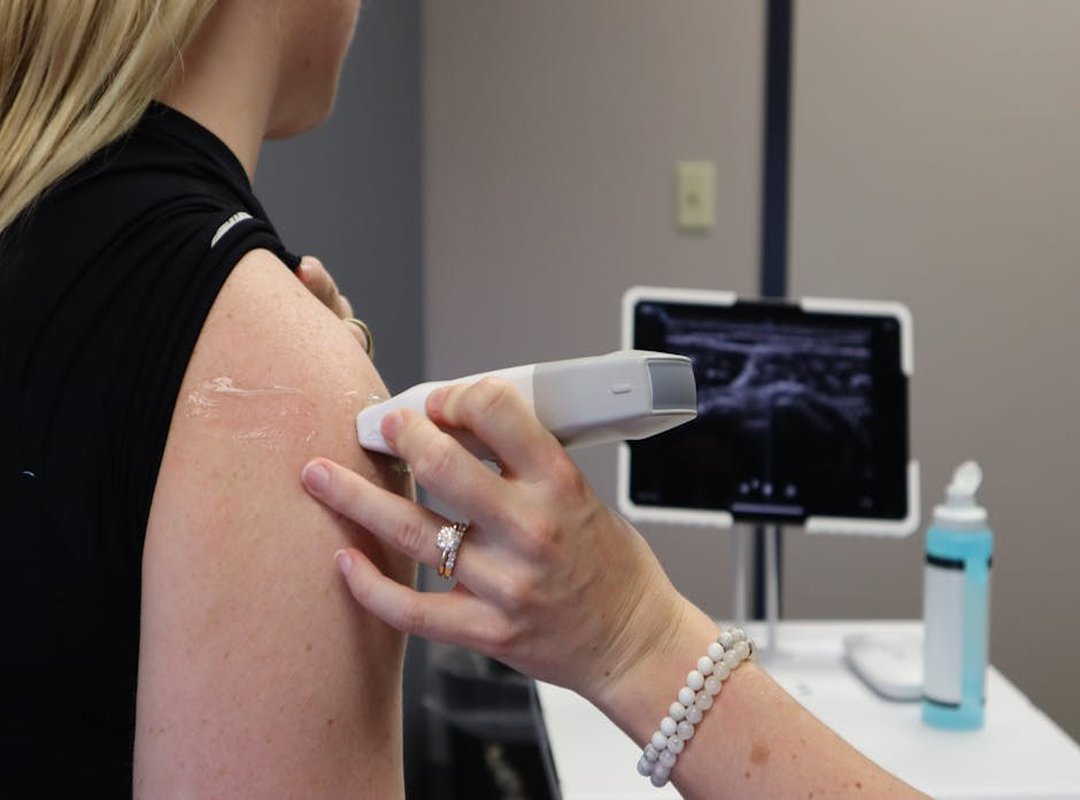
Immediate Care: When to go to the emergency room or see a doctor.
Sometimes, it’s hard to tell if you should head to the ER or just wait it out. (I get it; no one wants to overreact.) But here’s the deal: certain symptoms need immediate attention. If you’re experiencing severe chest pain, difficulty breathing, or sudden weakness, don’t hesitate.
Get to the emergency room.
Potential Complications: Risks of not seeking timely medical attention
- Nerve Damage: Ignoring symptoms like numbness or tingling can lead to permanent nerve damage.
- Chronic Pain: Delaying treatment for injuries can turn acute pain into a long-term, chronic issue.
- Worsening Conditions: Some conditions, if left untreated, can escalate quickly, leading to more serious health problems.
gambar toreh tangan broken
It’s better to be safe than sorry. (Trust me, I’ve seen what happens when people ignore these signs.) If you’re unsure, call your doctor or a nurse hotline. They can help you decide if you need to seek immediate care.
First Aid and Initial Treatment: What to Do Before Medical Help Arrives
When you or someone else gets a hand injury, the first few minutes can make a big difference. Immobilization is key. You need to keep the hand stable to prevent further damage.
If you have a splint, great, and if not, get creative. A magazine, a piece of wood, or even a sturdy piece of cardboard can work.
Just make sure it’s firm enough to keep the hand from moving.
Pain management is the next step, and ice is your friend. Wrap some ice in a cloth and apply it to the injured area for about 20 minutes at a time.
This helps reduce swelling and numbs the pain. Over-the-counter pain relievers like ibuprofen or acetaminophen can also help. But remember, don’t overdo it.
Follow the dosage instructions on the bottle.
gambar toreh tangan broken
Back in 2019 when I had a minor hand injury, I learned these tips the hard way. Trust me, they can save you a lot of discomfort.
Taking Action for a Broken Hand Injury
gambar toreh tangan broken is a serious condition that requires immediate attention. Recognizing the signs, such as pain, swelling, and difficulty moving, is crucial. Prompt medical care is essential to prevent further damage and ensure proper healing.
First aid can help manage the injury until professional help is available. Immobilize the hand with a splint or bandage, and apply ice to reduce swelling. Avoid using the injured hand to prevent aggravating the break.
Staying informed about hand injuries and their treatments can make a significant difference in recovery. Always take proactive measures to protect your hands and seek medical advice when needed.
 Bertha Vinsonalon writes the kind of gen-powered ai solutions content that people actually send to each other. Not because it's flashy or controversial, but because it's the sort of thing where you read it and immediately think of three people who need to see it. Bertha has a talent for identifying the questions that a lot of people have but haven't quite figured out how to articulate yet — and then answering them properly.
They covers a lot of ground: Gen-Powered AI Solutions, Booster Tech Essentials, Expert Insights, and plenty of adjacent territory that doesn't always get treated with the same seriousness. The consistency across all of it is a certain kind of respect for the reader. Bertha doesn't assume people are stupid, and they doesn't assume they know everything either. They writes for someone who is genuinely trying to figure something out — because that's usually who's actually reading. That assumption shapes everything from how they structures an explanation to how much background they includes before getting to the point.
Beyond the practical stuff, there's something in Bertha's writing that reflects a real investment in the subject — not performed enthusiasm, but the kind of sustained interest that produces insight over time. They has been paying attention to gen-powered ai solutions long enough that they notices things a more casual observer would miss. That depth shows up in the work in ways that are hard to fake.
Bertha Vinsonalon writes the kind of gen-powered ai solutions content that people actually send to each other. Not because it's flashy or controversial, but because it's the sort of thing where you read it and immediately think of three people who need to see it. Bertha has a talent for identifying the questions that a lot of people have but haven't quite figured out how to articulate yet — and then answering them properly.
They covers a lot of ground: Gen-Powered AI Solutions, Booster Tech Essentials, Expert Insights, and plenty of adjacent territory that doesn't always get treated with the same seriousness. The consistency across all of it is a certain kind of respect for the reader. Bertha doesn't assume people are stupid, and they doesn't assume they know everything either. They writes for someone who is genuinely trying to figure something out — because that's usually who's actually reading. That assumption shapes everything from how they structures an explanation to how much background they includes before getting to the point.
Beyond the practical stuff, there's something in Bertha's writing that reflects a real investment in the subject — not performed enthusiasm, but the kind of sustained interest that produces insight over time. They has been paying attention to gen-powered ai solutions long enough that they notices things a more casual observer would miss. That depth shows up in the work in ways that are hard to fake.